

Fashion
How to Judge Leather Jacket Quality Before You Buy
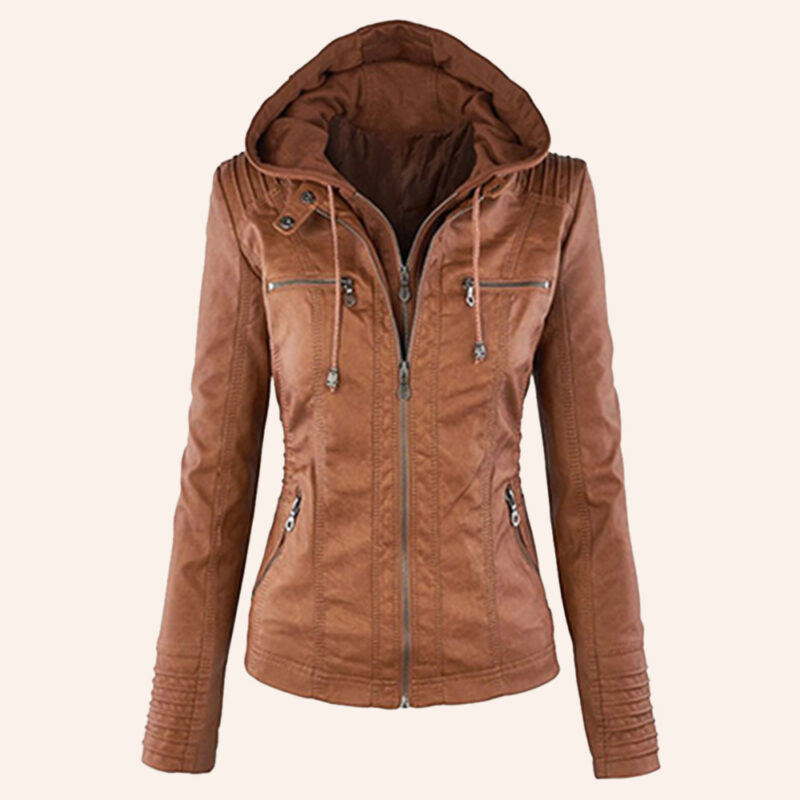
Jun
A good leather jacket has presence before it has shine. It holds its shape on the hanger, bends without looking brittle, and gives you enough information to know what you are paying for. A weak one usually hides behind dramatic photos, vague leather words and a price that asks you not to look too closely.
Use this as a buyer’s inspection, not a lecture in leather jargon. If a jacket passes the checks below, it has a better chance of looking good after the first season, not just on delivery day.
The grain should tell a believable story
Start with the material description, then look at the surface. Full grain, top grain, corrected grain, suede, nubuck, PU and faux leather are not interchangeable terms. Each has a different feel, finish, care routine and price expectation.
In strict trade language, Leather Research Laboratory describes full grain leather as leather that keeps its original grain surface after the hair and epidermis are removed. It also notes that top grain is the same as full grain under that industry definition. Retail descriptions are not always that precise, so do not let one impressive phrase do all the work. The page should still explain the finish, lining, closure and care.
Natural grain will not look like a plastic sheet. It may show subtle variation, fine pores, light creasing or character marks. That is not a flaw by itself. The warning sign is a surface that looks heavily painted, rubbery or too uniform while still being sold as premium leather.
Look at bend zones, not glamour shots
The best place to judge a jacket is not the hero image. Look at the elbows, shoulders, zipper edge, collar fold, pocket corners and hem. These are the places that bend, rub and carry tension.
A thin, flexible finish usually creases with the jacket. A thick coating can look smooth at first, then crack where the body moves. If every image avoids close-ups of stress points, slow down. A strong product page should not be afraid of texture.
Stitching is where shortcuts become visible
Leather remembers holes. Once a seam is punched, it cannot be unpunched cleanly. That makes stitching one of the easiest ways to spot care or carelessness.
Check the shoulder seams, sleeves, pocket mouths, belt loops and collar edge. The stitches should look even and settled into the material, not loose, wandering or puckered. A few threads are not a disaster. A pattern of messy seams is a construction problem.
Hardware should be quiet, straight and unshowy
Zippers, snaps, studs and buckles should not fight the jacket. The zipper should sit straight, start cleanly and close without waves. Snaps should meet without bending the leather. Buckles should line up with their straps instead of dragging them sideways.
Cheap hardware often announces itself with noise: rattling pullers, sharp edges, thin buckles, or zipper teeth that look like they are already under stress. Quality hardware does not need to be flashy. It just needs to work every time.
The lining is where cheap jackets confess
The outside sells the jacket. The lining decides whether you keep reaching for it. A poor lining clings to sleeves, traps heat, tears at the cuff or makes the jacket feel less expensive than it looked online.
Look for lining information in the product details. Smooth sleeve lining matters for daily wear. Warm lining matters for winter. Breathable comfort matters for cosplay, events and long days. If the jacket is meant to be worn for hours, the inside cannot be an afterthought.
Fit quality matters as much as leather quality
A beautiful shell is wasted if the pattern is wrong. The shoulder seam should sit with intention. The sleeve should let you reach forward without pulling the whole body with it. The front should zip without forcing the leather into a wave.
Size labels are shortcuts, not measurements. Compare chest, shoulder, sleeve and back length before ordering. If you are between sizes, ordering for the largest fixed measurement is usually safer than hoping leather will solve the problem later. For harder fits, costume builds or body-specific proportions, use custom measurement instead of guessing.
Care instructions should match the material
Finished leather, suede, nubuck, aniline leather and faux leather do not want the same treatment. A serious product page should not give one lazy care line for every jacket.
Modern leather-care advice, including Vogue’s leather jacket cleaning guide, starts with identifying the leather type before cleaning. That is practical advice for buying too. If a seller cannot tell you what the surface is, it is harder to know how the jacket should be cleaned, conditioned or protected.
Be careful with sustainability language
Responsible sourcing claims should be specific. Leather Working Group explains that LWG certification applies to the facility where leather is made, not automatically to every individual product. That distinction matters because vague certification language can sound stronger than it really is.
Clear claims name what is certified, who is certified and what the buyer can reasonably conclude. Vague claims lean on words like conscious, eco, premium and sustainable without proof. Choose the page that explains itself.
The 90-second checkout test
- The outer material is named clearly.
- The finish looks believable in close-up photos.
- Stress points are visible, not hidden.
- Stitching is even around shoulders, pockets and cuffs.
- Hardware sits straight and looks strong enough for daily use.
- The lining is described, not ignored.
- The size chart gives real measurements.
- Care advice matches the material.
- Shipping and returns are easy to check before payment.
When to walk away
Walk away from a jacket that gives you luxury language but no material detail. Walk away from waterproof promises that do not explain the finish. Walk away from copied descriptions, missing measurements, hidden return terms or product photos that never show the seams.
The right jacket does not need to shout. It gives you enough detail to make a calm decision.
Final word
The best leather jacket is not always the heaviest, glossiest or most expensive one. It is the jacket with honest material language, clean construction, wearable fit and care instructions that match the surface. Judge those details before checkout and you will avoid most bad buys.
If you are comparing styles now, use the checklist on real pieces instead of reading in the abstract. For everyday hooded styling, compare the Men’s Hooded Faux Leather Jacket with the Women’s Hooded Faux Leather Jacket. For a more structured outerwear look, inspect the seams, collar and hardware on the Top Gun Maverick Brown Leather Jacket or the color-forward Super Cana Yellow Leather Biker Jacket. For character-driven builds where movement and wear time matter, compare the Avengers Endgame Captain America Genuine Leather Jacket, Doctor Strange 2 Red Cosplay Coat and Wonder Woman Leather Jacket before choosing a size.
You can still browse the broader men’s leather styles, women’s leather styles or cosplay jackets and costumes, but start with products that match the exact problem you are trying to solve.
